
The Ant and the Grasshopper
Live with certainty in an uncertain world. Sign up for the FREE LiveReady bi-monthly newsletter and get the insights and tools to be a protector.
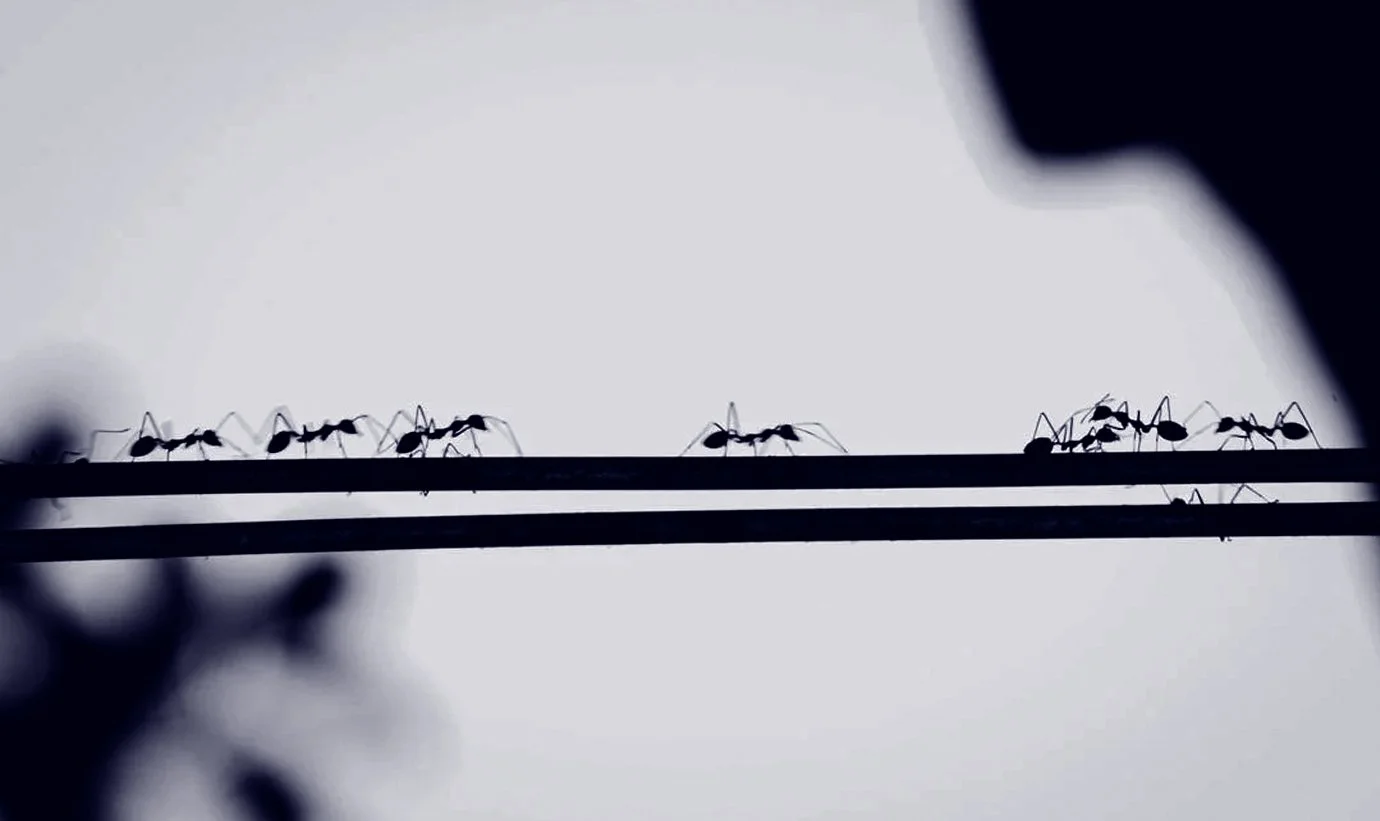
The fable of the ant and the grasshopper tells the story of an industrious ant who spends the warm summer months diligently gathering food and preparing for winter, while the carefree grasshopper spends his time singing and playing, ignoring the coming cold. When winter arrives, the grasshopper finds himself hungry and desperate, while the ant is comfortably sheltered with ample provisions. The moral is clear: diligence and foresight are essential, and those who fail to prepare will suffer the consequences of their choices.
This parable speaks to disciplines we all recognize as important: delay gratification, prepare for the expected and unexpected, save for a rainy day. Preparing for winter isn’t just a metaphor; it’s a requirement.
The economics of personal security are just as unequivocal. You either invest now or pay later. And interest compounds either way.
Winter is Coming
Regardless of your personal outlook on society—whether you think things are moving in the right direction or going horribly wrong—there is, and has always been, a degree of volatility and uncertainty in the world. And as the fable reminds us, the time for preparation is not when winter arrives. It’s beforehand.
Yet something that continues to astonish me is how many people willfully depend entirely on others for their survival and personal protection. Don’t get me wrong; it’s good to have lifeguards. But you should also know how to swim.
For many people, personal security is important, but training gets relegated to the “someday/maybe” category. Others embrace a false sense of security because they already “did that…” referring to a class they once took in college, or X number of years ago. Others still will foolishly believe that because they’re competent in other aspects of life or business, those competencies will somehow translate into an ability to handle violence.
The truth is that winter is coming for all of us. It’s not a matter of if, only when. The time to develop the skillsets and mindset to recognize, avoid, and manage danger is not when you’re in danger. It’s now. The time to select and train with personal security tools is not when you suddenly need them, it’s now.
Preparedness Is a Lifestyle
All skills are perishable. This applies to everything, but especially to skills you don’t use often. You have to develop them, and then you have to maintain them. This requires a disciplined lifestyle—similar to maintaining a diet or maintaining physical fitness through exercise. You have to exercise these skills regularly, or they atrophy.
This isn’t fear-mongering. It’s reality. Training to protect yourself and your family doesn’t make you paranoid any more than eating healthily and exercising makes you anorexic, or saving for a rainy day makes you a miser. It’s simply a necessary discipline of responsible living.
On the plus side, the return on investing in personal security training compounds in ways you won’t fully appreciate until you’ve experienced it. Training builds confidence, fitness, and a sense of certainty amidst uncertainty. It sharpens your awareness in ways that improve every aspect of your daily life. It allows you to be capable of responding to difficulties, rather than reacting—no matter what the situation.
What Does It Really Take?
Last year, my daughter got her driver’s license. The DMV in Pennsylvania now requires sixty-five hours of supervised driving before you’re allowed to test – a far cry from when many of us got our licenses decades ago with next to no training. They even have an app to track progress, with requirements for nighttime driving and inclement weather.
I was there to help her with most of her training, and as a professional trainer, I found myself running an experiment: How long would it actually take for her to become competent?
The answer turned out to be about thirty to thirty-five hours. That’s how long it took before I could see her truly expanding her focus beyond the mechanics of driving—keeping the car on the road, staying in her lane, not hitting anything—to really seeing what was going on around her.
After those thirty-five hours, the mechanics had become automated, freeing her consciousness and awareness to extend outward to the other drivers, to the signage, to everything happening around her. The techniques had become second nature, which allowed her mind to focus on actually driving.
This is exactly the kind of thing that happens with personal security training.
For some people, the most self-defense training they can manage is a short course or two to develop some very basic skills. This is better than nothing. And if this is your path, good. You’ll have a small toolbox, but you are much better off than having nothing. Just ensure you make that training an annual activity at the minimum!
Just like with driving, to become truly capable of handling violence, you need broader skillsets and must practice those skillsets to the point of automation. This is the only way your mind will be free to focus on what’s actually happening and be capable of making good decisions in the moment. In a crisis, stress, adrenaline, and physiology all conspire against you. Absent this level of practice, you’re going to have a hard time. And if you have the right training, then greater awareness (the ability to see threats early and avoid trouble before it finds you) becomes a natural byproduct.
Whether you survive any crisis involving violence almost always comes back to your level of preparation. It comes down to your mindset, your skillset, and your tools. All three require ongoing investment.
Defensive Tools
“Owning a gun doesn’t make you armed any more than owning a piano makes you a musician.” – Jeff Cooper
I am reminded of this simple, fundamental truth on a regular basis. Just the other day, I was walking out of my training studio when I ran into a dad picking up his kids from the tennis academy next door. He asked what we do, and I said, “Self-defense.” He scoffed and, in a condescending manner, said, “I don’t need self-defense. I carry a gun.”
I took a small step toward him and quietly asked, “Are you carrying it right now?”
He took a step back with eyes wide, and stammered, “N-no.”
Not wanting to scare him too badly, I switched gears. “So, have you ever had formal instruction with a defensive handgun?”
“No,” he said flatly. “But I know how to shoot. How hard is it? You just point and pull the trigger... right?”
This mentality—the notion that because you own a firearm, you’re somehow immune to bad things happening, and magically ready to handle that tool in a high-stress situation—is all too common. This isn’t readiness, or even preparedness. It’s irresponsible and foolhardy.
If you own a firearm and haven’t invested enough training to—at minimum—know what to practice and how to practice to keep your skills automated, you have a problem. And even if you have invested in that training, remember: All skills are perishable. Driving a car stays sharp because we practice it every day. Defensive firearm skills require deliberate, ongoing practice under varying conditions.
Just as you must exercise regularly to stay fit, personal security skillsets, whether armed or unarmed, must be exercised. My recommendation is always to seek professional instruction. Ideally, this will happen within a community of like-minded individuals who trains together regularly, not just when it’s convenient. Iron sharpens iron, and you don’t know what you don’t know…
Practice makes perfect right? Wrong. Practice makes permanent. If you practice the wrong skills, all you’ll do is lock in the wrong behaviors. This is why it’s so vital to have the right instruction, and regular, consistent, professional feedback.
If Not Now… When?
If you’ve done training in the past, it’s time for a refresher. If you haven’t trained at all, understand that you should. Some training is better than no training, but training and preparedness needs to be a lifestyle, not a one-time event.
Ask yourself: How do I develop not only the skillsets, but also the mindset and tools to navigate whatever comes my way? How do I make preparedness a part of my life, the same way I think about my health or my finances?
Because the economics are unequivocal. You either invest now or pay later. And interest compounds either way.
Ready to Take the Next Step?
Whether you’re looking for personal security training, a vulnerability assessment for your home or workplace, or guidance on building preparedness into your lifestyle, we can help.
Everyone’s situation is different. Get started on your own plan:
Read LiveReady: A Guide to Protecting Yourself in an Uncertain World
For guidance on conducting your own vulnerability assessmentContact us
We can work with you and your family to create a customized preparedness plan for you and your family